
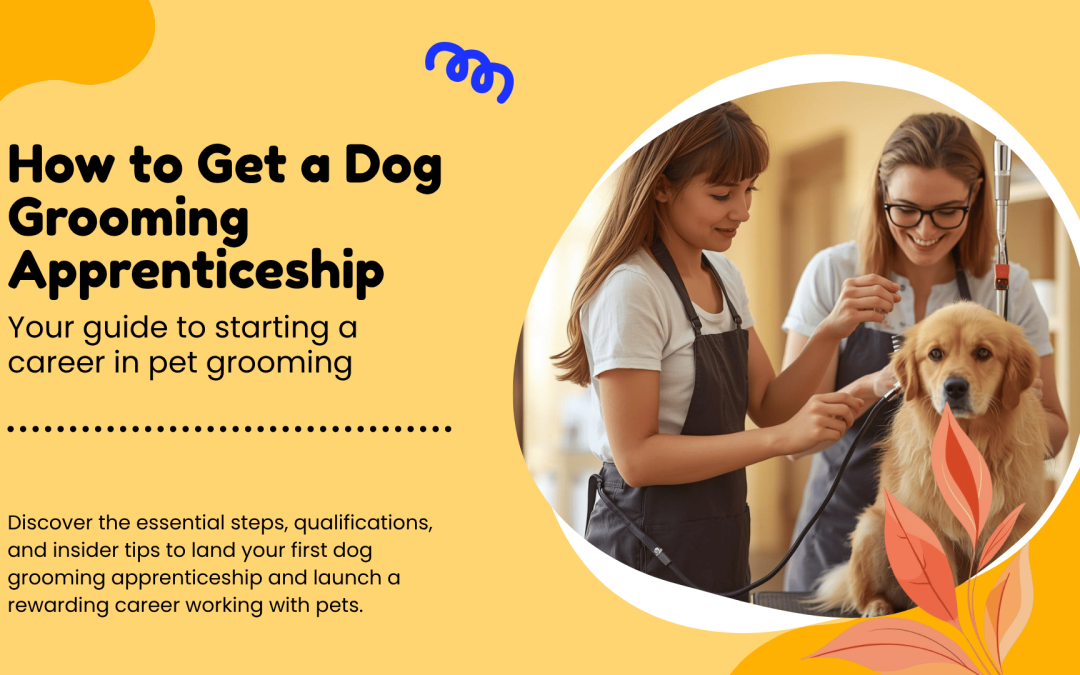
How to Get a Dog Grooming Apprenticeship
n
The Definitive Guide to Securing a Dog Grooming Apprenticeship in the UK
The UK is unequivocally a nation of dog lovers. With over 13 million dogs currently residing in British households, the demand for professional pet services has reached an all-time high. This significant surge in pet ownership has, in turn, created a substantial skills gap, making it an opportune moment to enter the industry. If you are seeking a career that combines a genuine affection for animals with artistic flair and practical work, a dog grooming apprenticeship offers one of the most effective pathways to success.
An apprenticeship allows you to “earn while you learn,” gaining a nationally recognised qualification while working alongside experienced professionals. However, as these positions are highly coveted, securing one requires more than just a fondness for Labradors. This guide explores everything you need to know about finding, applying for, and excelling in a UK dog grooming apprenticeship.
What is a Dog Grooming Apprenticeship?
In the UK, dog grooming apprenticeships generally fall under the “Animal Care and Welfare Assistant” standard. While some larger franchises may offer specific “Grooming Apprentice” titles, most will follow the Level 2 or Level 3 apprenticeship frameworks approved by the Institute for Apprenticeships and Technical Education (IfATE).
An apprenticeship is a real job with a structured training programme. You will typically spend four days a week working in a professional salon and one day a week (or block release) studying the theory behind the practice. This theory covers anatomy, skin conditions, health and safety, animal handling, and the technical aspects of different breed cuts.
Level 2 vs. Level 3 Apprenticeships
Most beginners start at Level 2. This level focuses on the foundations: bathing, drying, brushing, and basic trimming, alongside animal welfare and salon maintenance. A Level 3 apprenticeship is more advanced, covering complex styling, hand-stripping, and often elements of salon management or business ownership.
The Benefits of the Apprenticeship Route
While you can undertake private fast-track courses, apprenticeships offer unique advantages that private education often cannot match:
- Financial Freedom: Private grooming courses in the UK can cost anywhere from £3,000 to £6,000. An apprenticeship costs you nothing; in fact, you are paid a wage.
- Real-World Experience: You aren’t just grooming “perfect” model dogs. You deal with nervous dogs, matted coats, and challenging customers, thoroughly preparing you for the realities of the job.
- Employability: Many salons hire their apprentices as full-time stylists upon completion because they have been trained to the salon’s specific standards and understand its unique clientele.
- Recognised Qualifications: You will likely earn a City & Guilds or iPET Network qualification, which are the gold standards in the UK pet industry.
Entry Requirements and Skills Needed
Before you begin applying, it is important to understand what salon owners are seeking. It isn’t just about being “good with dogs.”
Academic Requirements
To qualify for government-funded apprenticeship training in England, you usually need to have achieved a Grade 4 (C) or above in GCSE English and Maths. If you do not have these, many apprenticeship providers will allow you to complete “Functional Skills” qualifications alongside your grooming training.
Physical and Mental Resilience
Dog grooming is physically demanding. You will be on your feet all day, lifting heavy dogs, and dealing with the humidity of the drying room. You also require a “calm assertive” energy; dogs are highly intuitive and will react to your stress or frustration.
Attention to Detail and Animal Welfare
Grooming is an art form. You need to be able to spot symmetrical imbalances in a haircut and notice small health issues on a dog, such as lumps, ticks, or ear infections, which must be reported to the owner. Groomers, like all those responsible for animals, have a legal duty of care under the Animal Welfare Act 2006. This means ensuring an animal’s welfare needs are met, including protection from pain, suffering, injury, and disease, and providing a suitable environment. Noticing and reporting health issues is not just good practice, but an essential part of upholding this legal duty.
How to Find Dog Grooming Apprenticeships in the UK
Finding an apprenticeship requires a proactive approach. As many grooming salons are small, independent businesses, they may not always advertise on major job boards.
1. The Government “Find an Apprenticeship” Service
The first port of call should be the official UK government website. You can filter by postcode and “Animal Care” to see active vacancies. This is where larger chains like Pets at Home (The Groom Room) usually post their opportunities.
2. Local Further Education (FE) Colleges
Many agricultural or land-based colleges (such as Capel Manor, Sparsholt, or Reaseheath) partner with local salons. Contact the apprenticeship coordinator at these colleges and ask to be put on their radar for potential placements.
3. Direct Outreach (The “Speculative” Approach)
This is often the most successful method. Research local, reputable salons in your area. Visit them in person (during a quiet time, usually mid-week) with a polished CV. Even if they are not actively hiring an apprentice today, they may keep your details on file for when they are ready to expand.
Crafting the Perfect Application
When applying for a grooming role, your CV needs to stand out. Salon owners receive dozens of applications from people who “just love dogs.” You need to demonstrate professionalism and commitment.
Highlight Relevant Experience
If you have volunteered at a rescue centre, worked in a kennel, or even have experience in a fast-paced retail or hospitality environment, highlight it. Work experience shows you can handle the demands of a working day.
The Cover Letter
Your cover letter should articulate precisely why you aspire to be a groomer, not just why you like animals. Mention your interest in the technical side of the craft, your desire to learn breed standards, and your unwavering commitment to animal welfare.
Acing the Interview and Trial Day
If a salon finds your application appealing, they will likely invite you for an interview followed by a “trial day.” This is the most critical part of the process.
What to Wear
Do not arrive in a formal suit, but equally, avoid casual tracksuits. Wear smart, practical trousers (not jeans, as they can retain hair and moisture) and a sensible polo shirt. Ensure you wear closed-toe, non-slip shoes. If you have long hair, tie it back securely.
The Trial Day Expectations
During a trial, the employer is not expecting you to be able to scissor a Poodle perfectly. They are looking for fundamental attributes:
- Initiative: Do you pick up a broom and sweep when the floor is hairy without being asked?
- Safety: Do you keep a hand on the dog at all times while it’s on the table? This is crucial for preventing accidents and ensuring the animal’s wellbeing, aligning with the principles of the Animal Welfare Act 2006.
- Interaction: How do you communicate with the dogs? Are you gentle, patient, and reassuring?
- Cleanliness: Are you mindful of hygiene and disinfecting equipment between uses?
What to Expect During Your Apprenticeship
Once you secure a role, your journey begins. The first few months are often the “bath and brush” phase. You will likely spend a lot of time washing dogs, drying them correctly (which is the foundation of a good groom), and clipping nails. It can be repetitive, but mastering these basics is essential.
As you progress, you will move on to “prep work,” such as shaving pads and hygiene areas, before finally moving on to full body styling. You will also maintain a “portfolio” of your work, taking photos of dogs you have groomed to document your progression for your assessor.
The End-Point Assessment (EPA)
To complete your apprenticeship, you will undergo an EPA. This usually involves a practical observation by an external examiner, a professional discussion, and sometimes a written examination. Passing this officially makes you a qualified groomer.
Apprentice Pay and Rights in the UK
As of April 2024, the National Minimum Wage for an apprentice is £6.40 per hour. This applies if you are aged under 19, or aged 19 or over and in the first year of your apprenticeship. If you are over 19 and have completed your first year, you are entitled to the full National Minimum Wage for your age group. It is advisable to check current government guidance for the most up-to-date rates.
While this wage may be lower than standard retail roles, remember that you are receiving thousands of pounds worth of professional training for free. It represents a significant investment in your future earning potential within a skilled trade.
Alternative Routes: What if I Can’t Find an Apprenticeship?
If you live in an area with few salons or high competition, you might consider alternative pathways:
Private Training Providers
Companies like the iPET Network offer “fast-track” qualifications. These are intensive and high-quality but require upfront payment. Many offer weekend or part-time options if you need to maintain your current employment while retraining.
Assistant Roles
Look for “Bather” or “Salon Assistant” roles. While these are not formal apprenticeships, many reputable salons will eventually fund your qualifications once you have proven your worth as a reliable and dedicated assistant.
Conclusion: Your Future in the Pet Industry
Securing a dog grooming apprenticeship in the UK requires persistence, a strong work ethic, and a genuine passion for animal welfare. It is a career that offers immense satisfaction; there is nothing quite like witnessing the transformation of a matted, uncomfortable dog into a happy, clean, and stylish pet.
The industry is evolving, with an increasing focus on holistic grooming and skin health. By beginning with a formal apprenticeship, you ensure you have the solid foundation needed to one day perhaps open your own salon, progress into competitive grooming, or even become a teacher for the next generation of apprentices. Start your search today, be professional in your approach, and you could soon be embarking on one of the most rewarding careers the UK pet industry has to offer.