

Can Dogs Eat That? The Ultimate UK Kitchen Safety Guide for Pet Pros
Every professional dog walker and home boarder has been there: that split-second of panic when a guest dog vacuums up something that fell off the kitchen counter. In the UK, our Sunday roasts and summer picnics are a minefield for the curious canine.
Operating a professional pet business means moving beyond casual “Secret Sitter” knowledge. When a client asks if their dog can have a stray strawberry or a leftover parsnip, your answer needs to be grounded in professional standards that protect your reputation and your council license.
This guide is a living resource for the UK pet industry. We’ve skipped the clinical medical jargon to provide practical, experience-based advice on common human foods. Whether you’re managing a pack in the park or a single guest in your home, this is your definitive kitchen-safety checklist.
The Sunday Roast: From Parsnips to Beetroot
In the UK, the Sunday roast is the peak time for “begging” behaviour. If you’re boarding a dog, you’ll likely find them stationed under the table the moment the gravy hits the plate. While sharing a few scraps is a common request from owners, as a professional, you need to know which trimmings are a safe “yes” and which are a “no.”

Parsnips and Potatoes
Parsnips are a fantastic high-fibre addition to a dog’s bowl. They are safe, crunchy, and most dogs love the slightly sweet taste. Potatoes are also safe, provided they are boiled or mashed plain.
Beetroot and Cauliflower
Can dogs have beetroot? Yes, but proceed with caution—mostly for your own sanity. Beetroot is packed with manganese and folate, but it has a habit of staining everything it touches. If you’re boarding a dog in a carpeted home, maybe stick to the cauliflower!
Cauliflower is a great low-calorie filler. It provides a satisfying crunch that many dogs prefer over soft treats. Just be aware that like broccoli, it can be a bit “windy.” If you’re managing a room full of boarding guests, a cauliflower-heavy dinner might lead to a very fragrant evening.
The “Greens” Check
Brussels sprouts and broccoli are nutritional powerhouses for dogs, but they should be fed in small amounts. They contain isothiocyanates which can cause gastric irritation if you overdo it. A single sprout or a small floret is a great reward; a bowlful is a recipe for a midnight garden trip.
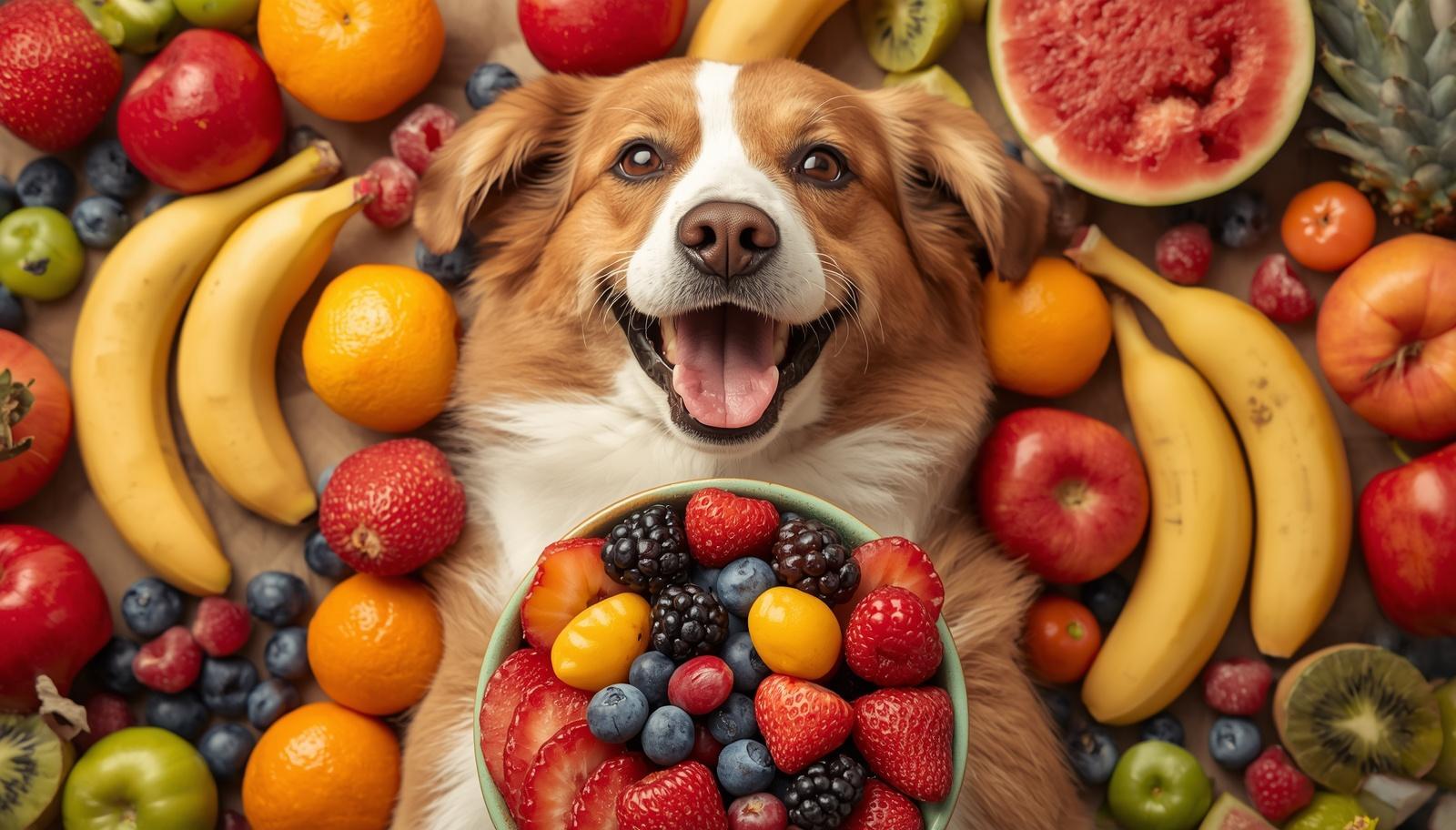
The Fruit Bowl: Nature’s High-Value Rewards
Fruit is often the first thing we reach for when we want to give a “healthy” snack, but as a pro, you know that nature’s sugar can pack a punch. In the UK, we see a huge spike in these searches during the summer months when berries are in season and the parks are full of families having picnics.
Strawberries and Bananas
Strawberries are a massive hit in the canine world. Interestingly, they contain an enzyme that can actually help whiten a dog’s teeth over time. They are full of antioxidants and fibre, making them one of the best “guilt-free” rewards you can offer.
Bananas are essentially the “energy bars” of the dog world. They are loaded with potassium and vitamins, which is great for a dog on a long, active hike in the Highlands. However, because they are quite sugary, I always suggest keeping them as a special reward rather than an everyday staple. If you’re boarding an older or more sedentary dog, keep the banana slices thin and infrequent.
Apples and the “Core” Trap
Can dogs eat apples? Absolutely—most love the “crunch” factor. They are great for cleaning teeth and providing a bit of Vitamin C. However, there is a professional standard here that many owners forget: never give a dog the core.
Apple seeds contain trace amounts of cyanide. While one seed won’t harm a Mastiff, the build-up in a smaller breed like a Yorkie or a Toy Poodle can be a genuine concern. As a rule, I always slice apples and remove the pips entirely. It takes ten seconds but ensures you are operating at that professional “duty of care” level.
Oranges and Citrus
While the fleshy part of an orange is safe, most dogs aren’t actually fans of the pungent citrus scent. If you do find a dog who enjoys a slice of orange, ensure you’ve removed all the peel and any seeds. The peel is very tough on the digestive system and can lead to a messy midnight garden trip—something every sitter wants to avoid.
Seaside Snacks & Pantry Staples: Prawns, Pasta, and Fish
Whether you are taking a group for a walk along a UK coastline or you’re just prepping a quick midweek lunch while a boarding guest watches your every move, seafood and pasta often come into question. These are high-value items, but they carry specific professional risks that go beyond just a simple “yes” or “no.”
Prawns and Scallops
Prawns are a massive winner for training. They have a strong scent that most dogs find irresistible, making them perfect for practicing recall in busy environments. Scallops are similarly safe, though much richer.
Sardines and Mackerel
You’ll often see oily fish recommended on UK pet forums for coat shine, and for good reason. Sardines and mackerel are brilliant for Omega-3. However, pay close attention to the packaging.
Avoid the Brine: Many tinned fish options in UK supermarkets are stored in brine (salt water). High salt intake is incredibly hard on a dog’s kidneys. Always advise clients to choose fish in spring water or sunflower oil. As a professional, I always keep a tin of “spring water sardines” in the cupboard as a high-value topper for dogs who are feeling a bit homesick and refusing their kibble.
Pasta and Grains
Can dogs have pasta? Yes, plain cooked pasta is generally safe and often used as a bland filler for dogs with upset stomachs. But let’s be real: we rarely eat “plain” pasta.
If the pasta has been touched by a sauce containing onions or garlic, it is an absolute red flag. Even a tiny bit of onion powder can be toxic over time. If you’re tempted to share your leftovers, ensure you boiled a few pieces separately in plain water before you added the sauce.
The “Danger Zone”: Protecting Your Pack from Hidden Risks
In our industry, the phrase “it’s just a little bit” is the most dangerous sentence a client can say. While many human foods are great for enrichment, there is a shortlist of items that are non-negotiable “no-gos.” Being able to confidently explain why these items are off-limits is what separates a professional from a casual pet sitter.
Paracetamol: The Fatal Error
It is one of the most common questions in the UK: “Can dogs have paracetamol?” The answer is a professional, immediate NEVER. There is no safe human-to-dog dose for over-the-counter painkillers. Even a small amount can cause catastrophic liver failure.
Avocados: The Pit and the Peel
Avocados are a “health food” for us, but for dogs, they are a sketchy choice. They contain persin, which in high concentrations can cause stomach upset. However, the real professional concern is the pit and the skin. The skin is a choking hazard, and the pit is a classic cause of intestinal blockages. If you’re home-boarding, keep the guacamole ingredients well out of reach.
Stuffing Balls & Alliums (Onions/Garlic)
Stuffing is a roast dinner staple in the UK, but it’s essentially a toxic cocktail for dogs. Onions, garlic, and chives are part of the Allium family. They contain compounds that can damage a dog’s red blood cells, leading to anaemia.
The danger here is cumulative. While one small bite might not cause an immediate reaction, consistent “scraps” of stuffing or gravy made with onion powder can cause long-term harm. As a rule, if it has a pungent smell like garlic or onion, it stays off the dog’s menu.
Salt and Vinegar Crisps
It’s a very niche UK search, but one we see often. Can dogs have salt and vinegar crisps? While not “toxic” like an onion, they are a nutritional disaster. The salt levels are sky-high for a dog’s kidneys, and the vinegar can cause immediate gastric acidity and discomfort. Plus, the high fat content in crisps can trigger pancreatitis in sensitive breeds like Schnauzers or Spaniels.
The Pantry Extras: From Cheese to Bone Marrow
As a professional, your pantry is often the source of your high-value training rewards. However, the items we keep for our own lunches—like a bit of cheddar or a fish finger—don’t always translate perfectly to the canine digestive system. Here is how to navigate the “extras” without causing a mid-walk stomach upset.

Can Dogs Eat Cheese?
Cheese is the “gold standard” for many dog trainers in the UK. It’s smelly, high-value, and most dogs will do anything for a cube of cheddar. But there is a professional catch: Lactose Intolerance.
Many dogs lack the enzyme needed to break down dairy. While a tiny cube of hard cheese like Cheddar or Red Leicester is usually fine as a treat, soft cheeses like Camembert are much richer and can lead to immediate digestive distress. If you’re boarding a dog for the first time, I always recommend checking with the owner before using cheese as a reward—you don’t want to find out about a dairy sensitivity at 3 AM.
Breaded Fish and Fish Fingers
It’s a classic “quick tea” in many UK households. If a dog steals a fish finger, is it a disaster? No. The white fish inside is actually quite healthy. However, the “breaded” part is the issue.
Bone Marrow: The “Natural” Toothbrush?
Raw bone marrow is often touted as the ultimate natural treat, and it certainly keeps a boarding dog occupied for an hour. But as a pro, you need to be aware of the fat content.
Marrow is essentially pure fat. For breeds prone to pancreatitis—like Schnauzers, Spaniels, or older Labradors—a large amount of marrow can trigger a serious medical episode. If you’re going to offer a marrow bone, ensure it’s supervised, raw (never cooked, as they splinter), and only given for short periods to avoid over-stimulating their digestive system.
Sesame Oil and Special Needs
Can dogs have sesame oil? It’s a niche question that pops up when owners are exploring “home-cooked” diets. Sesame oil is safe in tiny amounts and contains healthy fats, but it shouldn’t be a daily addition unless specifically requested for a dog with special needs or skin conditions. In our industry, we should never alter a dog’s base diet without a written request from the client—consistency is the key to a happy boarding guest.

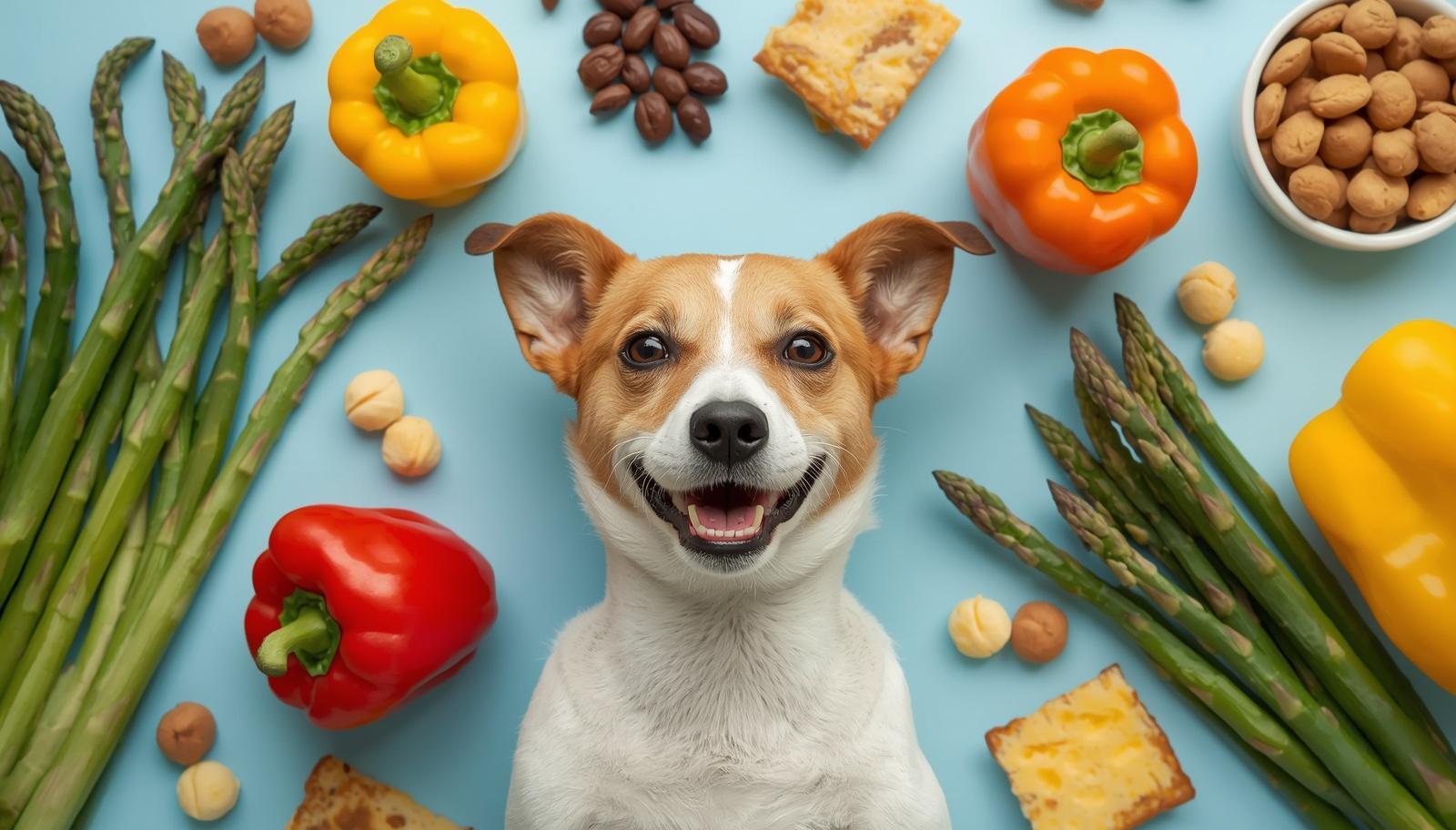
The Snack Pack: Asparagus, Peppers, and the Sweet Stuff
Sometimes the most common questions from owners aren’t about main meals, but about the bits and bobs left over in the fridge or growing in the garden. For a pet professional, knowing the difference between a healthy vegetable snack and a sugary mistake is vital for maintaining a dog’s energy levels and digestive health.
Can Dogs Eat Asparagus?
Asparagus is a bit of a luxury treat, and while it isn’t toxic, it’s not the most practical choice for a dog. If you’re giving a guest dog asparagus, it is much better to serve it cooked. Raw asparagus is extremely tough and fibrous, making it a potential choking hazard or at the very least, very difficult for them to digest.
Peppers and Crunchy Veg
Peppers—specifically red, orange, and yellow ones—are fantastic. They are loaded with Vitamin C and beta-carotene. Most dogs love the crunch, and they are much lower in sugar than fruit.
Avoid the Spice: It should go without saying, but never give a dog chillies or spicy peppers. Their digestive systems simply aren’t built to handle capsicum, and it will lead to significant discomfort and a very unhappy dog (and sitter). Stick to the sweet bell peppers for a safe, hydrating snack.
The “Strawberry Jelly” Mistake
We often get asked: “If they can have strawberries, can they have strawberry jelly?” The answer is a firm no. Strawberry jelly (and jam) is essentially pure sugar and often contains artificial preservatives, colours, and sometimes the hidden killer: Xylitol.
Even if it’s “sugar-free,” that often makes it more dangerous because of the artificial sweeteners used. If you want to give a strawberry-themed treat, stick to the actual fruit. There is no nutritional value in jelly for a dog, and the risk of a sugar spike or accidental poisoning just isn’t worth it.
Celery: The Hydration King
Celery is one of the best “diet” treats for dogs who are prone to weight gain. It’s mostly water and provides a great crunch. Some people even say it helps freshen a dog’s breath! As a professional walker, a few sticks of celery can be a great way to provide a “chew” that doesn’t add any significant calories to their day.
Professional Wrap-up: Consistency Over Variety
Navigating the world of human food for dogs is a daily task for those of us in the UK pet industry. Whether you are managing a picky eater during a home board or looking for the ultimate high-value reward for a group walk in the woods, the key is always moderation and observation.
The Professional “Golden Rule”
As a professional, the most important piece of advice is this: Never introduce a new food to a guest dog without the owner’s explicit permission. Even a “safe” food like a strawberry can cause an upset stomach if a dog has a specific sensitivity or is used to a very strict diet. Keeping a consistent routine is the best way to ensure your boarding guests stay happy and healthy throughout their stay.
Being the person who can explain why a dog shouldn’t have an apple core or why raw parsnips are a great crunch alternative builds massive trust. It demonstrates that you aren’t just “watching a dog”—you are an expert in canine care. This level of authority is exactly what allows you to charge professional rates and attract the best clients in your local area.
Continue Professionalising Your Business:
- Ensure your legal bases are covered with our UK Pet Sitting Service Agreement.
- Scale your local reach with our Marketing Strategies for Pet Professionals.
- Manage your workflow effectively by choosing the Best Boarding & Walking Software.